The World Cup Final Press Package
Client: DelSur Empanadas, Minnetonka and Minneapolis, Minnesota
Role: Marketing and communications consultant
Scope: Bilingual press releases, media research, and a distribution system
Date: July 2026
The Challenge
I started working with DelSur in February 2026. On the first day I had no back end access, no communications manual, no hex colors, and no logo files. I asked for all of it.
By the third month a pattern had become clear to me. This client used anything that cost him nothing and set aside anything that asked him to build a new habit. I wrote a thirty day story challenge for the staff, and nobody ran it. I also set up a shared document where I could ask the chefs and the front of house team questions between visits, and that one was used.
I want to be clear that this is not a complaint. It is one of the more useful things you can learn about a client, because it tells you what to build next.
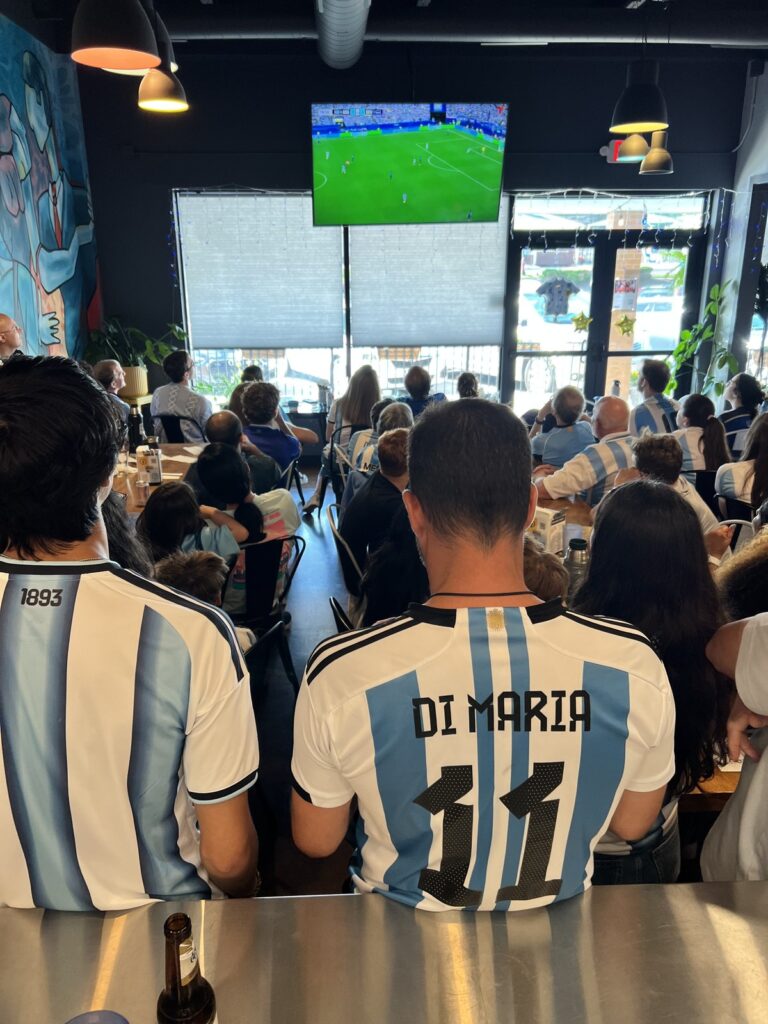
On July 16, Argentina won its semifinal and the World Cup final was set for Sunday, July 19. DelSur was about to host the biggest Argentine watch party in the metro, in a room that had filled repeatedly through the tournament, with an overflow venue already arranged next door.
Nobody outside the follower list knew about it.
DelSur had been on television before. It was always about the empanadas, and it was always because a producer had come to them. Since the restaurant opened in 2018 they had never pitched a newsroom themselves.
I had three days.
The Approach
I made three decisions that night, and each one came from something I had learned in the previous five months.
The constraint is the owner’s time, not the writing. A press release is straightforward to write. A press release that a busy restaurant owner actually sends, at midnight, two days before the biggest service of his year, is a different problem entirely. So I designed for the send rather than for the document.
Write the Spanish release and the English release as one piece. This was not a translation. The Twin Cities has a real Latino press in print, radio, and digital, and it is a separate audience with its own deadlines and its own angle on the story. A translated release reads like a translated release, so both versions were written together, and each one leads with what its own audience cares about.
Build the distribution, not only the copy. A release that nobody sends is worth nothing at all. That is why the media list became the primary deliverable and the release became the thing attached to it.
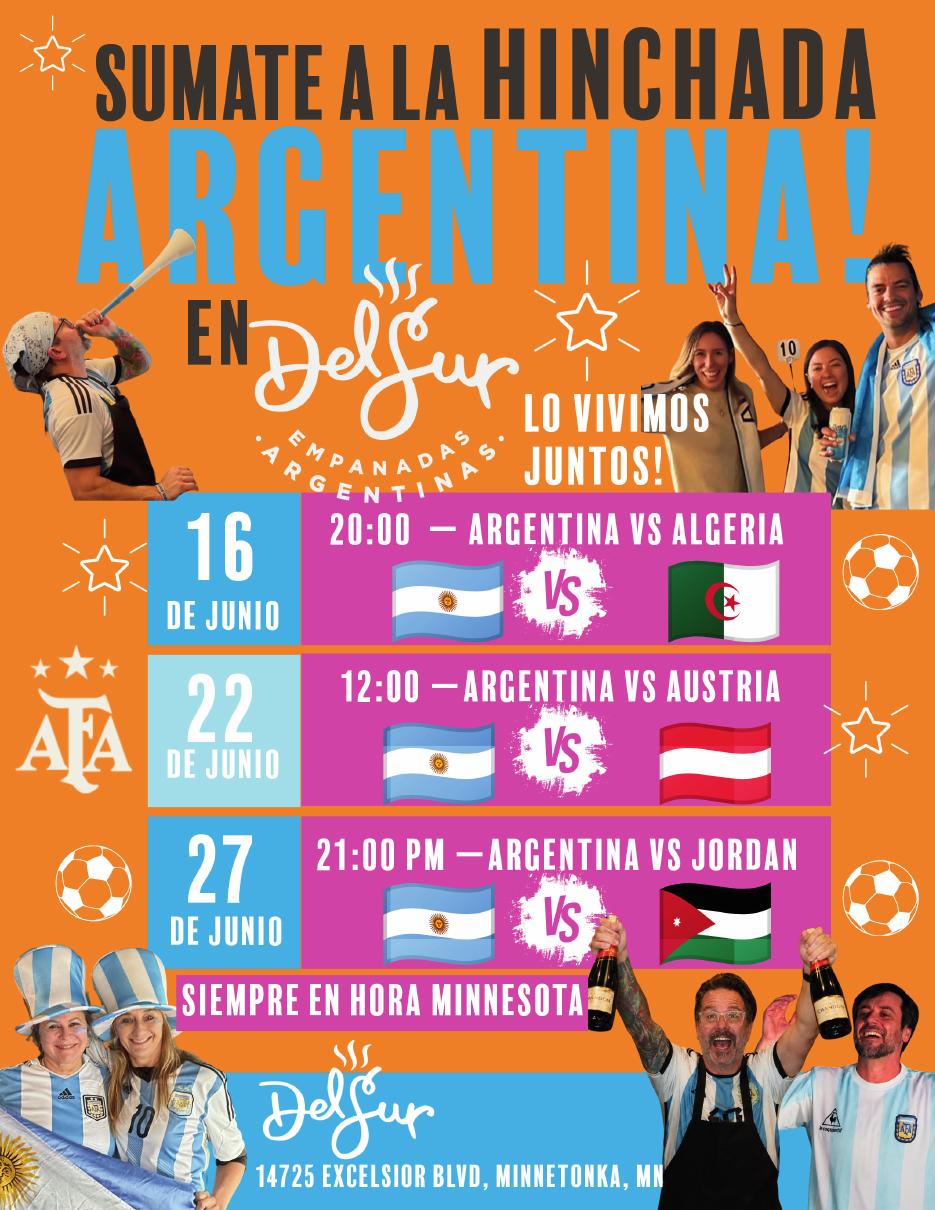
The campaign ran in two languages from the start, six weeks before the final. Match times were converted to Minnesota time so nobody had to do the arithmetic.
The Process
Four files in one night.
Both releases were finished at 11:17 p.m. and the PDFs at 11:24 p.m. I then researched the media list from scratch, covering 21 outlets across the Twin Cities, seven Latino and fourteen general market, with named editors, direct lines, and a note on each one. That file closed at 12:14 a.m., and I sent the package to Nico at 12:16 a.m.
The list is where the real work sits. I wrote it as boxes to copy and paste, working top to bottom, with a stated cost of about ten minutes. Copy the BCC box and paste it. Copy the subject box and paste it. Open the release, select all, and paste it into the body. Attach, send, and then do the whole thing again in the other language.
The instructions carried the judgment calls:
- Paste the release into the body of the email, because newsrooms rarely open attachments from senders they do not know. The PDFs are a bonus rather than the main event.
- Send before 10 a.m. on Friday, because assignment desks plan their weekend coverage on Thursday and Friday.
- Four outlets accept tips only by phone or web form, so those received numbers and two minute instructions of their own.
- Call the television desks on Saturday morning and ask whether they are sending a camera on Sunday.
- Telemundo Minnesota sits on Excelsior Blvd, the same street as the restaurant.
The execution split two ways. Nico sent the two emails, and I submitted to the outlets that only accept online forms and made the phone calls.
One night, four files, three days before the final
DelSur had never pitched a newsroom. The package was designed to take about ten minutes to send.
The whole package was built between 11:17 p.m. and 12:16 a.m., three days before the final.
The Outcome
Two outlets picked it up, from a business that had never pitched anyone before.
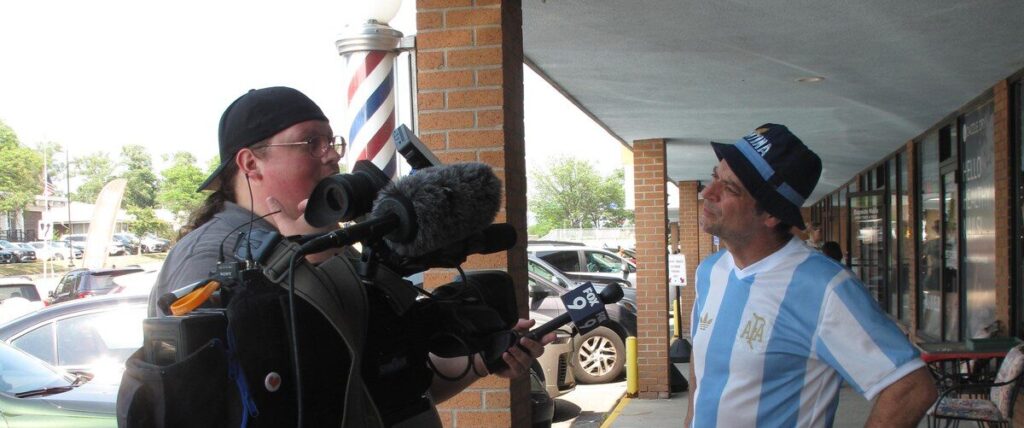
Fox 9 responded to the release and sent a crew to the watch party, where they interviewed a co-owner on camera.
El Minnesota de Hoy, a daily Spanish language news outlet, covered the event. That placement came off the Latino list, in the Spanish email, and an English only release would never have reached them.
The part I am most satisfied with is not the coverage itself. It is that the client sent it himself. The package was built so that saying yes took less effort than saying no, and that is a design decision as much as a writing one.
Across the same period, the DelSur Instagram account went from 685 monthly reach in February to 4,100 in July, and from 78 content interactions to 852. The World Cup drove part of that. The point is that the account was built to catch it.